
Understanding Music Dyslexia in a Gambling Context
While the concept of music dyslexia primarily relates to difficulties in processing and understanding musical information, its core principles of pattern recognition, sequential processing, and auditory discrimination can offer interesting parallels when considering the intricacies of casino gambling. For individuals who experience challenges with traditional music learning, understanding how their cognitive strengths might translate to other domains, like strategic gameplay, can be empowering. This involves recognizing that the skills developed to navigate musical notation or rhythm might be surprisingly transferable to deciphering betting patterns or understanding game rules, and for some, this might even lead them to explore options like mr jones online casino.

The ability to identify subtle auditory cues or remember complex melodic sequences, often a challenge for those with music dyslexia, can be re-framed. For instance, the focus on precise timing and sequence in music might correlate with the ability to manage bankrolls effectively, understand the ebb and flow of game odds, or recall winning and losing streaks in a casino environment. Exploring these connections can lead to a deeper self-awareness of cognitive styles and how they can be leveraged for success in new arenas.
Considering the practical application, an individual with music dyslexia might approach a casino game with a unique perspective. Instead of relying on rote memorization or visual aids that might be challenging, they might excel at intuitive pattern recognition or strategic thinking that doesn’t depend on complex symbolic systems. This is not to say music dyslexia directly causes an advantage in gambling, but rather that the cognitive adaptations made to overcome musical challenges might foster alternative strengths that are valuable at the casino.
Cognitive Parallels: Pattern Recognition and Sequential Processing
The fundamental challenge in music dyslexia often lies in the brain’s difficulty in processing sequential information and recognizing patterns within auditory stimuli. This can manifest as trouble distinguishing notes in a melody, understanding rhythmic structures, or recalling musical phrases. Interestingly, many casino games, from card games like poker and blackjack to slot machines with their complex payout structures, rely heavily on identifying patterns and understanding sequential events.
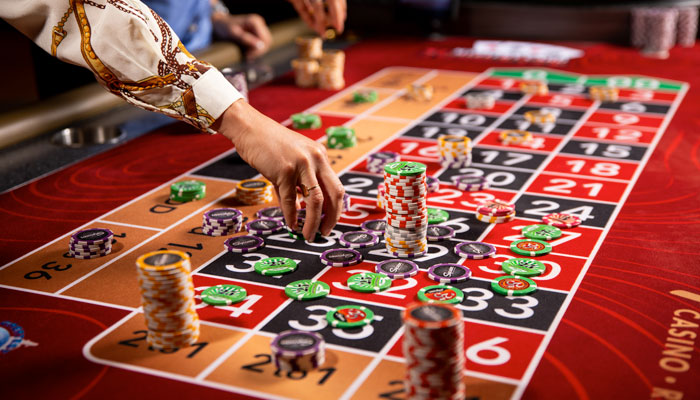
For someone who has learned to compensate for difficulties in musical sequencing, the ability to track card sequences in blackjack, predict betting patterns in roulette, or understand the progression of a slot machine’s bonus rounds might come more naturally, or be approached with a refined set of compensatory strategies. The cognitive flexibility developed to decode musical information can be a significant asset in a dynamic gambling environment. This involves a subtle but important shift in perspective, recognizing that overcoming one set of challenges can build robust skills for another.
Furthermore, the processing of complex auditory information, a hurdle for those with music dyslexia, can be compared to interpreting the ambient sounds of a casino, the dealer’s calls, or the subtle cues in a live poker game. While not directly related to game mechanics, the general enhancement of auditory processing and attention to detail, honed through musical practice and adaptation, can contribute to a more aware and engaged player. This heightened sensory awareness, even if developed to overcome specific musical challenges, can be a valuable tool.
Strategies for Applying Dyslexic Strengths in Gaming
Individuals who experience music dyslexia often develop robust compensatory strategies. These might include relying on visual aids, breaking down complex information into smaller, manageable chunks, or using mnemonic devices. When applied to casino gambling, these strategies can be remarkably effective. For example, visualizing betting limits, meticulously tracking one’s bankroll, or developing a pre-game ritual can provide structure and clarity, similar to how one might approach learning a musical piece.
The emphasis on understanding underlying structures and logic, often a key to navigating music, can also be applied to understanding the mathematical probabilities and house edges inherent in casino games. Rather than being intimidated by the numbers, an individual might approach them with a problem-solving mindset, seeking to identify logical frameworks that govern outcomes. This analytical approach, honed through dealing with the complexities of music, can lead to more informed and strategic betting decisions.
Moreover, the persistence and resilience often cultivated by individuals with dyslexia when learning music can be a significant advantage in the often unpredictable world of gambling. The ability to learn from mistakes without becoming discouraged, to adapt strategies based on outcomes, and to maintain focus over extended periods are all crucial traits for successful play. These are not skills exclusively for musicians, but rather life skills that can be powerfully applied to any challenging pursuit.
Managing Bankroll and Risk with a Dyslexic Mindset
Effective bankroll management is paramount in casino gambling, and for individuals who have learned to meticulously manage resources and information due to dyslexia, this can be a natural strength. The careful planning and adherence to rules required in managing musical practice time or resources can translate directly into disciplined betting strategies. Setting strict limits on spending and winnings, and sticking to them, becomes a form of structured play that aligns with a cognitive style that thrives on order and clear boundaries.
The concept of risk assessment, a core element of dyslexia management in education, can be directly applied to gambling. Understanding one’s own limitations and the potential consequences of certain actions is crucial. This might involve choosing games with lower volatility, understanding the odds before placing a bet, or knowing when to walk away after a certain number of losses. This thoughtful consideration of risk, rather than impulsive decision-making, is a hallmark of many individuals who have successfully navigated learning challenges.
Furthermore, the development of internal control mechanisms, often fostered to manage reading or learning difficulties, can be a powerful tool in preventing problem gambling. By recognizing personal triggers and developing strategies to manage emotional responses to wins and losses, players can maintain a healthier relationship with casino games. This self-awareness, a product of navigating the complexities of dyslexia, empowers individuals to gamble responsibly and enjoyably.
Exploring MusicDyslexia.co.uk: Resources for Cognitive Strengths
The website MusicDyslexia.co.uk serves as a valuable resource for understanding the unique cognitive profiles of individuals with music dyslexia. While its primary focus is on musical challenges, the platform offers insights into how different learning styles and processing differences can manifest. Visitors can find information that helps to identify strengths that may not be immediately obvious, such as exceptional pattern recognition, creative problem-solving, or a unique approach to sequencing and order.
By exploring the content on MusicDyslexia.co.uk, individuals can gain a deeper appreciation for their own cognitive abilities. This self-understanding is crucial for anyone looking to apply their unique mental toolkit to new domains, including the strategic world of casino gambling. The site’s aim is to demystify these cognitive differences and highlight how they can be a source of advantage rather than solely a source of difficulty.
Ultimately, resources like MusicDyslexia.co.uk empower individuals by reframing potential challenges as opportunities for developing specialized skills. This perspective shift is invaluable for anyone seeking to enhance their performance in any area, including the strategic and often complex environment of casino gaming, encouraging a proactive and informed approach to leveraging one’s cognitive strengths.

Comentarios recientes